
The Concept of Navigation
Navigation is an art that combines science, technology and practical methods for travelling across vast open spaces, such as oceans or rivers. Knowing how to navigate involves not only the ability to recognise one’s landmarks, but also the use of tools such as GPS, nautical charts and a compass. Each element plays a crucial role; for example, GPS provides your exact position, whilst nautical charts offer a visual representation of the surrounding area and potential hazards. Understanding how to use these tools during your journey is essential to ensuring your safety and that of your vessel.
Types of Navigation
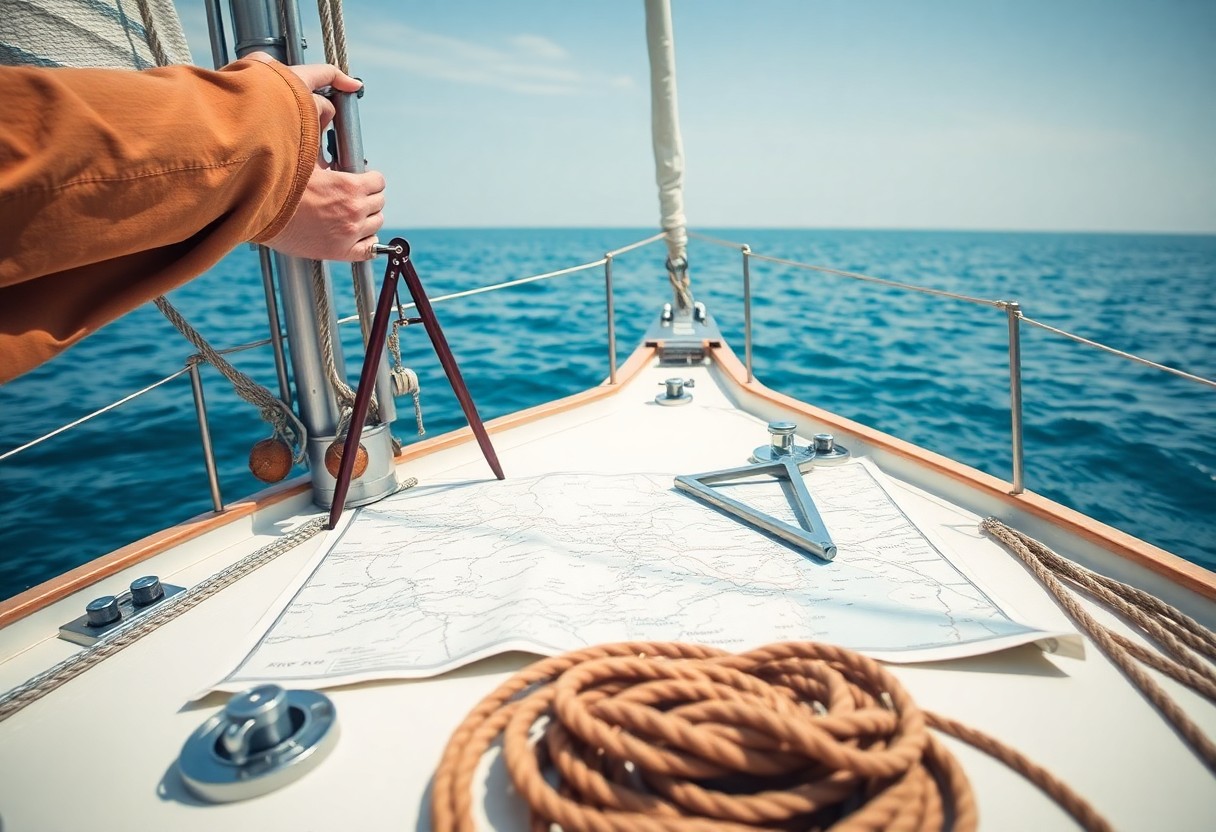
There are several methods of navigation, each with its own advantages. Coastal navigation, for example, relies on recognising landmarks along the coast, making it ideal for beginners. On the other hand, astronomical navigation uses the position of celestial bodies to determine your position. This approach requires a good understanding of mathematics and astronomy, but in the case of the open sea with no landmarks, it can prove to be a vital method. Consider which method best suits your abilities and the situation you find yourself in, so that you can tackle any maritime adventure with confidence.
Sailing Safely: The Basics
Sailing safely requires a thorough understanding of the various factors that can influence your experience on the water. From the weather to the characteristics of the water, every aspect plays a vital role in your safety. Preparation is essential: gather information on weather conditions, tide forecasts and current behaviour before setting off. Remaining vigilant and aware of your surroundings can make the difference between a memorable experience and a dangerous one.
Understanding Currents and Tides
Marine currents and tides are crucial factors to consider whilst out on the water. Currents can vary considerably depending on your location and the time of day. For example, in coastal areas, tidal currents can reach speeds of several knots, creating areas of significant turbulence. Knowing how currents behave in a particular location will help you plan your route and choose the best time to set off. Watching out for signs of change, such as rapid movements of the water or variations in tide levels, can serve as a warning to remain cautious.
Furthermore, tides affect not only the water level but also the navigability of the seabed. At low tide, you may discover sections of the seabed that would normally be submerged. Being aware of these changes allows you to avoid unwanted groundings and resistance whilst navigating, ensuring a safe and comfortable journey.
The Importance of Safety Equipment on Board

Every vessel should carry the correct safety equipment. Items such as life jackets, signal flares and first-aid kits can be crucial in an emergency. Ensure that every crew member knows where these items are located and how to use them. The law requires certain equipment to be carried, but it is wise to go beyond the minimum requirements. For example, a fire extinguisher and a working communication system can truly save lives in critical situations.
Investing in high-quality safety equipment is part of an overall strategy to ensure your safety on the water. It is not just a matter of complying with regulations; having reliable equipment can make the difference between a peaceful voyage and an emergency situation. Always carrying an adequate number of lifejackets on board and checking their condition before every trip can give you peace of mind, allowing you to fully enjoy the beauty of sailing.
Essential Nautical Terminology for Beginners
Nautical terminology may seem daunting at first, but it is essential for safe sailing. Familiarising yourself with key terms will help you communicate effectively on board and better understand manoeuvres and procedures. For example, knowing what is meant by boom, sheet and tack will enable you to interact with your crew and follow the skipper’s instructions without confusion. These terms not only describe equipment and manoeuvres, but are also essential for distinguishing between the different parts of the boat and for the correct management of emergencies at sea.
Furthermore, understanding the specific terminology will give you access to a wide range of resources, from nautical guides to smartphone apps, which can give you an edge in your training as a sailor. Each term has its own importance and is often linked to specific functions, so take the time to learn them and familiarise yourself with them in the practical context of sailing.
Glossary of Essential Terms
A good starting point is a glossary of the most commonly used terms. Stern refers to the rear of the boat, whilst bow indicates the front. The stays are cables that support the mast, and the anchor is essential for keeping the boat stationary at a specific point. Other important terms include wind directions, such as beam (wind blowing from the side) and headwind (wind blowing against the bow), which are vital for navigation. A glossary will help build your confidence at sea, making it easier to communicate and understand the manoeuvres required.
Don’t forget to familiarise yourself with the equipment and its specific names, such as rudder and ropes. You can also make a note of the definitions as you become familiar with these terms, so as to gradually build up your nautical vocabulary.
Maritime Symbols and Signals
Maritime signals are another crucial element to understand as you begin your journey into navigation. These signals, which can be visual, acoustic or luminous, are used to convey important information regarding navigational conditions, such as hazards, safe routes or traffic restrictions. Familiarising yourself with the symbols of lighthouses, buoys and emergency signals is essential for safe and responsible navigation. For example, a red buoy may indicate a dangerous area, whilst a green buoy indicates a safe route to follow.
Being able to interpret these signals correctly will not only enable you to navigate safely, but also to understand and follow the International Regulations for Preventing Collisions at Sea (COLREG), the rules governing navigation to prevent collisions between vessels. Having a good understanding of these signals will enhance your safety and that of your crew, making your sailing experience more peaceful and rewarding.
Navigation Techniques for New Skippers
Plotting a Course and Route Planning
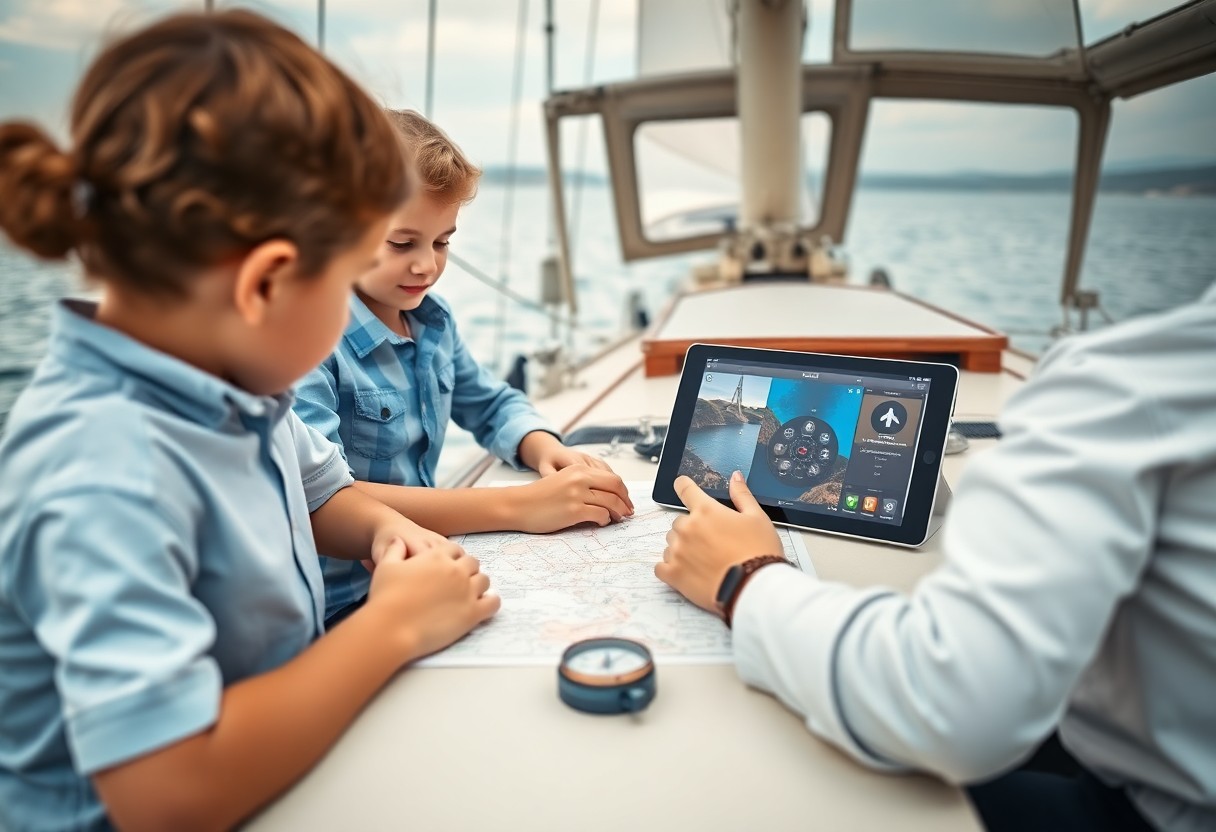
Route planning is a key step in ensuring safe and efficient navigation. You should start by identifying your point of departure and your destination, plotting a course on the nautical chart. Set your course, bearing in mind any obstacles such as rocks or other vessels. Furthermore, analysing the weather forecast is essential; the wind can affect your course, so try to anticipate this and adapt your decisions accordingly.
A good method is to break your journey down into stages, calculating the time required between each point. Always keep a compass to hand to check your bearing and read GPS coordinates carefully, if available, to help you maintain the correct heading. Remember that it is essential to have a plan B in case of changes in weather conditions or unforeseen events, so do not hesitate to alter your initial course if necessary.
Using the Compass and Nautical Chart
The compass is an essential tool for every skipper. It allows you to find your bearings and maintain the correct course. Make sure you know how to use the compass, including the concepts of magnetic declination and how to convert this value to obtain a precise azimuth. Reading the nautical chart is equally important; it provides a detailed visual representation of the surrounding waters, including depths, currents and potential hazards. Don’t forget to keep the chart up to date, adding information and looking up frequently to observe your surroundings.
Correlating the information from the compass and the nautical chart takes a bit of practice, but it will become increasingly second nature. Use the compass to set your bearing and, at the same time, check your position on the nautical chart frequently to ensure you are on the right course. This will not only help you improve your accuracy but will also boost your confidence at sea.
Common Mistakes to Avoid in Your First Year of Sailing
Underestimating Weather Conditions
All too often, novice sailors overlook the importance of weather conditions. Although the weather forecast may seem favourable, a slight change in the wind or the appearance of threatening clouds can lead to dangerous sailing conditions. It is essential that you check multiple sources to get a clear picture of the situation, such as weather apps, marine weather reports and information provided by local navigation centres. Preparation and understanding of weather changes not only safeguard your life, but can also protect your crew and your boat.
Be prepared to change your plans depending on the conditions. If the forecast predicts a storm and you have planned to sail, consider postponing your trip. Sudden storms can force you to perform difficult and risky manoeuvres, so it is vital that you remain vigilant and informed at all times. Adverse weather, such as fog or strong currents, can further complicate navigation, particularly for beginners.
Ignoring Local Nautical Regulations
Local nautical regulations govern all aspects of safe navigation, yet many beginners tend to underestimate these rules. Every coastal area has its own laws regarding navigation, from designated anchorage zones and specific navigation areas to speed limits to be observed in protected waters. Failure to comply with these regulations can lead to severe penalties and, more importantly, jeopardise your own safety and that of others. Compliance is not only a legal obligation but plays a vital role in collective safety at sea.
Familiarising yourself with the navigation regulations in your area is an essential step before heading out to sea. For example, some areas may have restrictions on access to marine areas to protect wildlife. Check with your local maritime authorities, attend maritime training courses or consult guides specific to your area. Do not forget that compliance with regulations is essential for your safety and that of other boaters.
Resources and Tools for Effective Boating
Successful boating requires not only skill, but also access to appropriate resources and tools. Information can make the difference between a peaceful voyage and one that turns into a struggle against adversity. Investing time in studying the available resources enables you to tackle the challenges of the sea with greater confidence and competence. We recommend exploring various sources, from books to online courses, to enrich your knowledge and improve your techniques.
Recommended Books and Courses for Sailors
Books are a vital resource for deepening your understanding of sailing. Titles such as *The Great Book of Sailing* offer detailed information on techniques, tools and strategies. Furthermore, courses such as those offered by sailing associations allow you to learn directly from professionals, combining theory and practice. This hands-on approach is particularly beneficial for consolidating your skills in real-life situations.
Essential Tech Tools and Apps
In the world of modern sailing, technology plays a key role in making operations simpler and safer. Apps such as Navionics and MarineTraffic provide detailed charts and real-time information on conditions, enabling you to plan efficient routes. Furthermore, devices such as portable GPS units and marine radars offer an additional layer of safety, allowing you to monitor your position and that of other sailors at sea.
Apps and technological tools do more than just provide information; they can also facilitate communication with other crew members. Tools such as VHF radios and messaging apps can be essential for maintaining contact and coordinating actions, even in emergency situations. Make sure you familiarise yourself with these technologies and integrate them into your navigation routine to make the most of their potential.
Conclusion on the Introduction to Navigation
In conclusion, navigation is a fundamental skill for anyone wishing to explore the sea and enjoy unforgettable experiences. By understanding the basic terms and techniques, you can develop greater awareness and confidence as you venture out onto the water. It is essential that you practise the skills you have learnt regularly, so that they become an integral part of your knowledge and enable you to tackle any situation at sea with calm and determination.
So, do not underestimate the importance of furthering your training and continuing to learn. Over time, you will be able to hone your skills and become an expert sailor. Always remember to follow the rules of navigation and pay attention to your surroundings. With patience and practice, sailing will become a rewarding and safe passion for you and those around you.
Would you like to learn the basics of motorboat navigation? Come along on one of our tours!