
The Kornati Islands are among Croatia’s most remarkable natural treasures. Located in the central Adriatic Sea, this breathtaking archipelago consists of more than 140 islands, islets, and reefs scattered across crystal-clear waters. Known for their rugged beauty, dramatic cliffs, and untouched landscapes, the Kornati Islands attract sailors, divers, nature lovers, and travelers seeking an authentic Mediterranean experience.
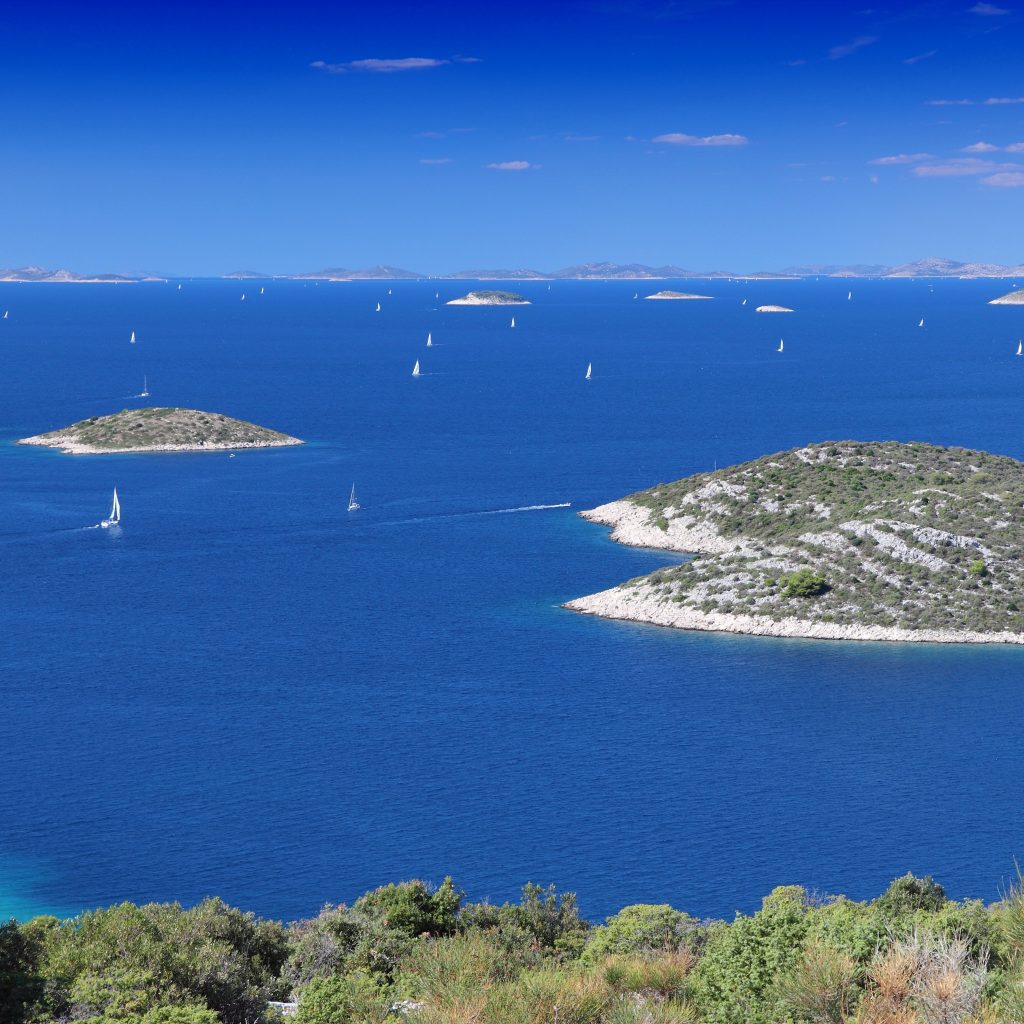
Whether arriving by boat, joining a guided excursion, or exploring hidden coves, visitors quickly understand why the Kornati Islands are often considered one of Croatia’s most stunning destinations.
Where Are the Kornati Islands?
The Kornati Islands are situated off the Dalmatian coast of Croatia, between the cities of Zadar and Šibenik. The archipelago covers approximately 320 square kilometers of sea area and stretches over 35 kilometers in length.
The majority of the islands are included within Kornati National Park, established in 1980 to protect the area’s unique marine ecosystem and extraordinary geological formations.
Despite their large number, only a handful of the islands are permanently inhabited. This lack of development has helped preserve the region’s pristine natural environment and peaceful atmosphere.
The Unique Landscape of the Kornati Islands
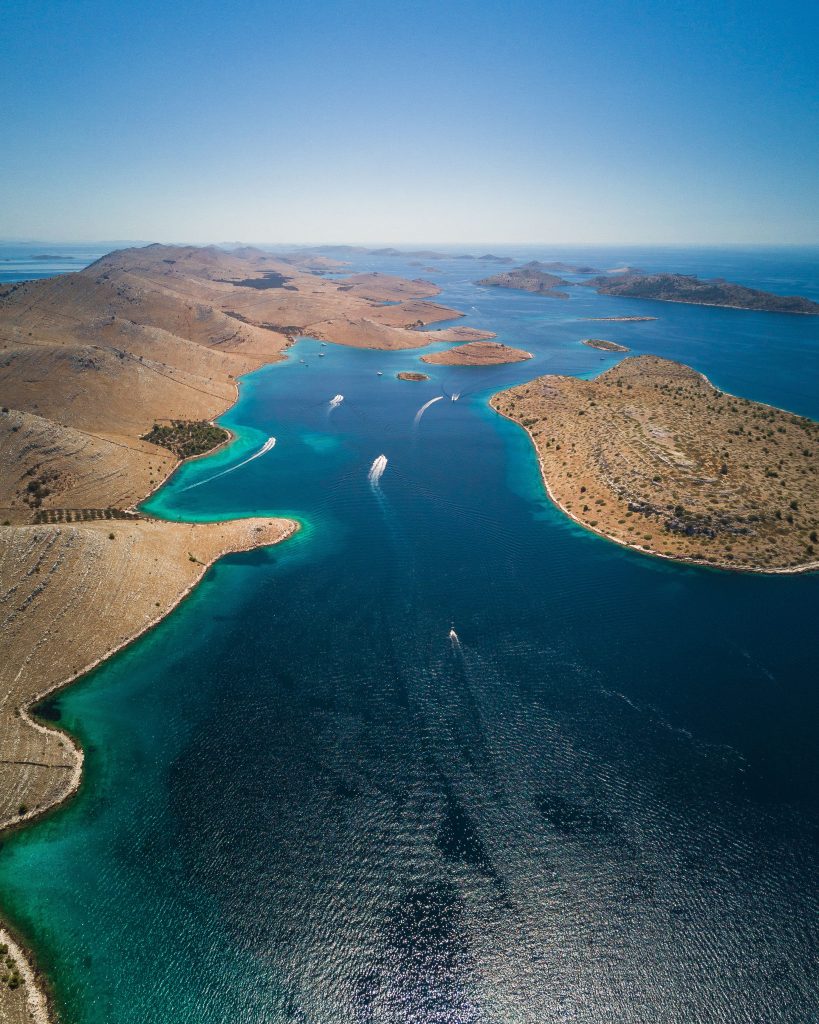
One of the most distinctive features of the Kornati Islands is their stark, almost lunar appearance. Centuries of grazing by sheep and limited vegetation have created a landscape dominated by exposed limestone rock.
The islands are famous for their spectacular cliffs, locally known as “crowns” or “krune.” These dramatic rock walls rise vertically from the sea, reaching heights of more than 80 meters in some locations. The contrast between the white stone cliffs and the deep blue Adriatic Sea creates unforgettable scenery.
The Kornati Islands also feature hidden bays, secluded beaches, and crystal-clear waters that rank among the cleanest in Europe.
Kornati National Park
Kornati National Park encompasses 89 islands, islets, and reefs, making it one of Croatia’s most important protected areas. The park is renowned for its rich biodiversity both above and below the water’s surface.
Marine life thrives within the park’s boundaries, with divers often encountering colorful fish, octopuses, sea stars, and vibrant coral formations. The underwater landscape includes caves, walls, and reefs that provide exceptional diving opportunities.
Visitors entering the national park must purchase a ticket, which helps support conservation efforts and protects the fragile ecosystem.
Best Things to Do in the Kornati Islands
Sailing Through the Archipelago
Sailing is undoubtedly the most popular way to explore the Kornati Islands. The numerous islands, protected bays, and calm waters create ideal conditions for both experienced sailors and beginners.
Many travelers charter private yachts, while others join organized sailing tours departing from Zadar, Šibenik, Murter, or Biograd na Moru.
Go Snorkeling and Diving
The crystal-clear waters surrounding the Kornati Islands offer outstanding visibility, making them perfect for snorkeling and diving. Underwater enthusiasts can discover fascinating marine habitats, shipwrecks, and dramatic underwater cliffs.
Several diving centers along the Croatian coast organize excursions into the national park.
Hike to Scenic Viewpoints
Although the islands may appear barren, they offer rewarding hiking opportunities. Trails lead to elevated viewpoints that provide panoramic views across the archipelago.
One of the most famous viewpoints is located on Mana Island, where visitors can enjoy breathtaking vistas of the surrounding sea and neighboring islands.
Visit Traditional Island Restaurants
A visit to the Kornati Islands would not be complete without experiencing local Dalmatian cuisine. Several family-run restaurants are located in sheltered bays and serve freshly caught seafood, grilled fish, octopus, olive oil, and local wine.
Dining beside the sea while watching the sunset over the islands is a memorable experience.
How to Reach the Kornati Islands
The easiest way to visit the Kornati Islands is by boat. Daily excursions operate from many coastal towns, including:
- Zadar
- Šibenik
- Murter
- Biograd na Moru
- Vodice
Travelers seeking greater flexibility often rent private boats or join sailing charters that allow them to explore multiple islands at their own pace.
Best Time to Visit the Kornati Islands
The ideal time to visit the Kornati Islands is between May and October. During these months, visitors enjoy warm temperatures, calm seas, and excellent conditions for swimming, sailing, and diving.
July and August represent the peak tourist season, offering vibrant activity but also larger crowds. For a more peaceful experience, many travelers prefer visiting in May, June, September, or early October when the weather remains pleasant and the islands are less crowded.
Why the Kornati Islands Should Be on Your Croatia Itinerary
The Kornati Islands offer a unique combination of natural beauty, tranquility, and adventure. Unlike Croatia’s more developed island destinations, the Kornati archipelago remains largely untouched, providing an authentic escape into nature.
From sailing through turquoise waters and diving among vibrant marine life to admiring dramatic cliffs and enjoying fresh seafood, the Kornati Islands deliver unforgettable experiences for every type of traveler.
For those looking to discover one of the Adriatic’s most extraordinary landscapes, the Kornati Islands represent a destination unlike any other in Croatia.
If you are instead based in the Norther part of Croatia, you might be surprised how beatiful the surrounding of island Cres and Krk are. Get in touch and choose the right tour for you.