
If you imagine a Croatian boat trip, the picture probably includes bright sunshine, warm water and a quiet bay where the anchor drops before everyone jumps into the sea. That experience is certainly possible, but it does not belong to one month alone.
The Croatian coast changes considerably through the year. July and August offer the warmest water and the most reliable summer atmosphere, although they also bring more visitors and higher temperatures. June has long days and a sea that becomes warmer every week. September often keeps much of the summer warmth after the largest crowds have left.
For most travellers, the best time for a boat trip in Croatia is June or September. Families tied to school holidays may prefer July and August, while visitors interested in peaceful navigation and coastal sightseeing might enjoy May. The right month ultimately depends on whether your priority is swimming, warmth, quiet beaches or simply spending time on the water.
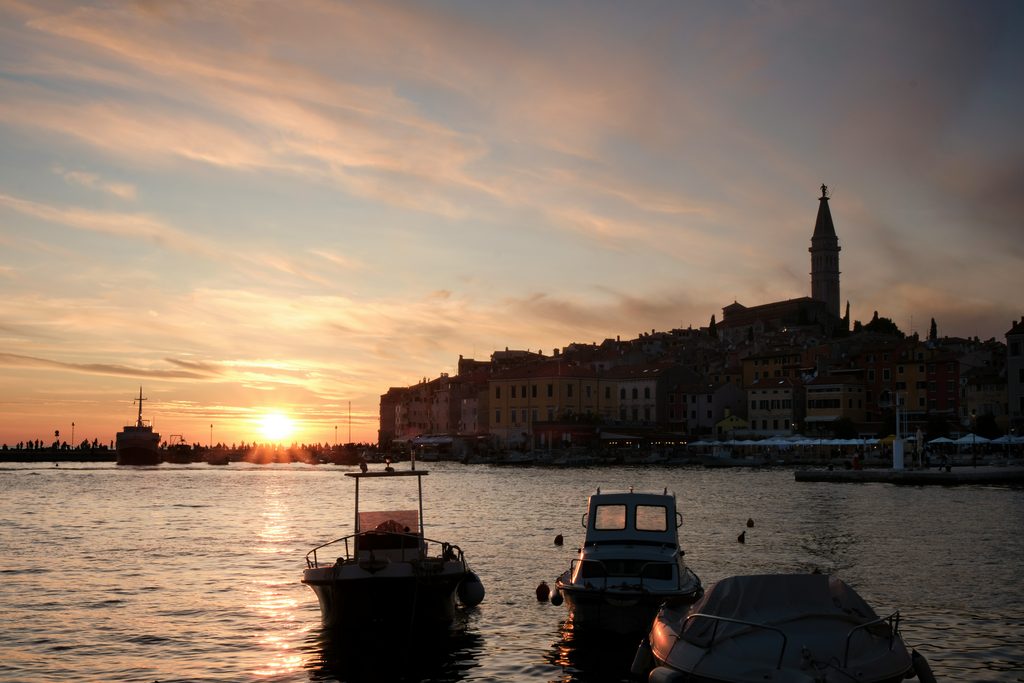
This guide focuses particularly on Istria and the northern Adriatic, where the boating season develops differently from the warmer waters around Split and Dubrovnik.
The Croatian boat season at a glance
| Month | Typical experience | Swimming | Visitor levels | Best suited to |
|---|---|---|---|---|
| January | Winter sea and changeable weather | Unlikely | Very low | Coastal scenery |
| February | Quiet, cool and weather-dependent | Unlikely | Very low | Short scenic outings |
| March | First mild days, cold water | Cold | Very low | Photography and sightseeing |
| April | Pleasant spring days mixed with unsettled weather | Cold | Low | Coastal exploration |
| May | Warmer days and quieter bays | Possible for some | Low to moderate | Sightseeing and early swimming |
| June | Long days, warm weather and improving sea temperatures | Comfortable | Moderate | Best overall balance |
| July | Hot weather and warm water | Excellent | High | Families and swimming |
| August | Warmest sea and peak summer atmosphere | Excellent | Very high | Full summer experience |
| September | Warm sea, softer heat and fewer visitors | Excellent | Moderate | Best overall balance |
| October | Quiet coast and variable conditions | Possible early in the month | Low | Flexible travellers |
| November | Cooler, less predictable weather | Unlikely | Very low | Coastal views |
| December | Winter conditions and short days | Unlikely | Very low | Harbours and shore-based travel |
These descriptions are general seasonal patterns rather than a forecast. Wind and sea conditions can change from one day to the next, including in midsummer.
January: the Adriatic in its winter mood
January is far outside the usual Croatian boat-tour season. The days are short, the water is cold and the coast can be affected by strong winter winds.
The Bura deserves particular respect in the northern Adriatic. It descends from the mainland in powerful gusts and can create rough conditions within a short time. Periods of calm, clear weather still occur, but they are difficult to plan around far in advance.
A January trip would be about the coastline rather than swimming. Harbours are quiet, the air can be exceptionally clear and Cres may appear sharply across the channel after the Bura has passed. Most visitors will find walking along the coast more practical than arranging a recreational boat excursion.
February: quiet water when the weather allows
February remains a winter month, with cold air and sea temperatures. The days begin to lengthen, although conditions are still too variable for a conventional swimming tour.
A calm afternoon can be beautiful. Without the summer traffic, the water and coastline have a very different atmosphere. Any trip at this time of year needs to remain short, flexible and fully dependent on the marine forecast.
For travellers asking about the best time for a boat trip in Croatia, February would rarely be the first recommendation. It suits people more interested in solitude and photography than in a classic day of swimming and relaxing on deck.
March: the first signs of spring
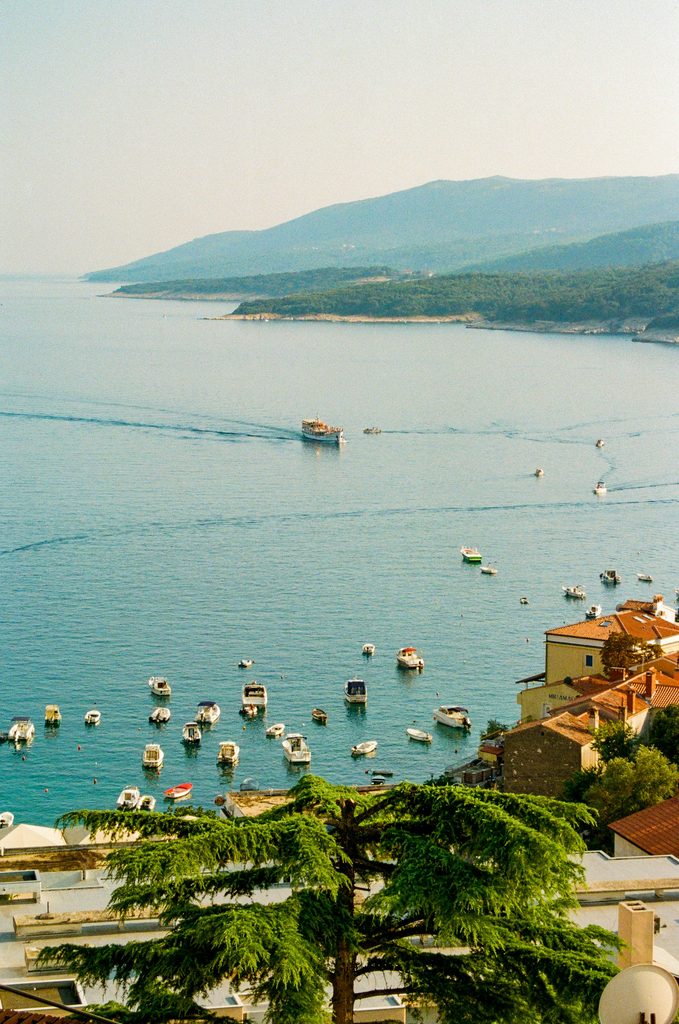
March brings milder days, more daylight and the first real sense that winter is ending. It can also change quickly. A warm, sunny morning may be followed by a cool wind or rain later in the day.
The sea remains cold, so March is not a swimming month for most visitors. It can, however, offer attractive conditions for a short scenic trip when the forecast is stable. Coastal vegetation begins to wake up, the light becomes brighter and harbours remain quiet.
A March outing requires warm clothing and realistic expectations. It is an opportunity to see the coast rather than spend a conventional summer day on the water.
April: beautiful spring days with no guarantees
April can produce some of the loveliest spring weather in Istria. The coast becomes greener, cafés reopen and sunny afternoons begin to feel warm. The season has not fully settled, though, and periods of rain or strong wind remain possible.
The water will still feel cold to most swimmers. A boat trip is more likely to focus on coastal views, photography and perhaps a stop in a village rather than repeated swimming breaks.
April works best for travellers with flexible plans who can choose their day after checking the forecast. It is less suitable when the boat trip is the main event of a tightly scheduled holiday and cannot be moved.
May: the beginning of the practical boat season
May is when the answer to “Can we take a boat trip?” becomes much more frequently yes. The days are longer, temperatures become more comfortable and tourism services along the coast start operating more consistently. Seasonal transport links in Istria also begin expanding from May. official tourism portal
The sea is warming but may still feel fresh, particularly in the northern Adriatic. Some guests will happily swim, while others will prefer a quick dip followed by time in the sun.
May is a good choice for couples and groups who want a quiet coastline and care more about exploring than spending hours in the water. Beaches are rarely crowded, Cres is pleasant to visit and the midday heat is generally easier to manage than in peak summer.
Weather remains less predictable than in June, so some flexibility is valuable. A light jacket also belongs in the bag, especially for the return journey.
June: one of the best months for a Croatian boat trip
For many travellers, June is the best time for a boat trip in Croatia. The days are long, the summer atmosphere has arrived and the sea becomes more comfortable as the month progresses.
Early June is usually quieter. By the second half of the month, the water is warmer and coastal towns feel livelier, while visitor numbers generally remain below the levels seen in July and August.
June works especially well for a full-day tour. There is plenty of daylight for swimming stops, lunch and a visit to Cres or another coastal destination. The sun is already strong, but the heat tends to be more manageable than during the hottest part of summer.
The difference between the beginning and end of June can be noticeable. Travellers who prioritise peaceful bays may prefer the first half. Those who want warmer swimming conditions should consider the second.
July: hot days, warm water and peak swimming conditions
July delivers the summer experience most people associate with Croatia. The weather is hot, the sea is warm and almost every coastal service is fully operational.
This is one of the best months for swimming, snorkeling and spending a long day on the water. Children can move between the sea and the boat without becoming cold as quickly, while adults are usually happy to remain in the water for longer.
The trade-off is the number of visitors. Popular beaches, harbours and towns are busier, particularly around the middle of the day. A private boat provides more freedom to choose quieter coves and adjust the timing, although no tour can guarantee an empty beach during the high season.
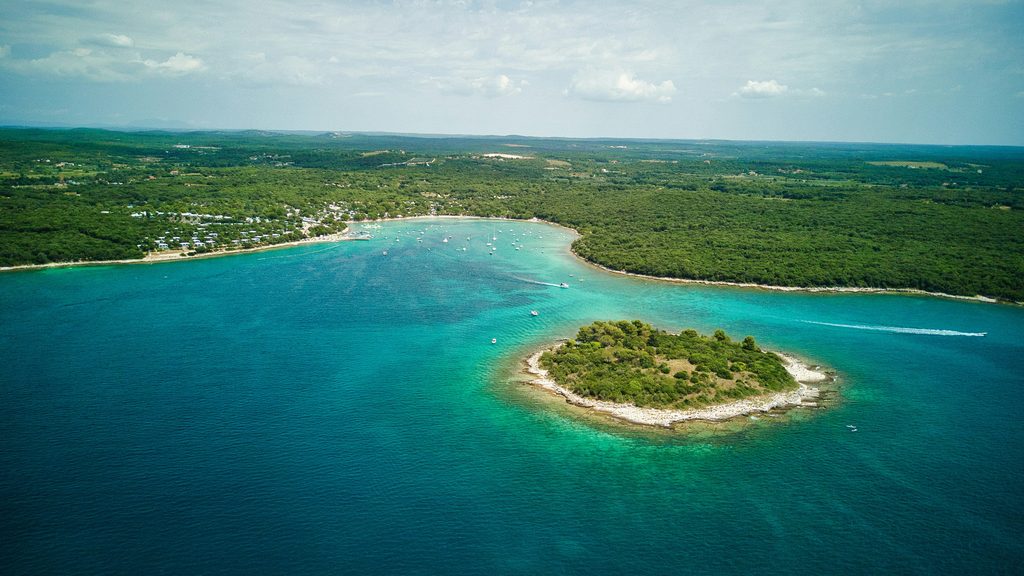
Morning departures are particularly attractive in July. They allow families to enjoy calmer temperatures before the strongest heat and make good use of the hours before the afternoon Maestral develops.
August: the warmest sea and the busiest coast
August is the heart of the Adriatic summer. Sea temperatures are generally at or near their annual peak, with northern Adriatic measurements often reaching roughly 23–24°C on average and considerably warmer values possible in shallow, sheltered water. ats.hr
If warm swimming is your main priority, August is difficult to beat. The water is inviting from morning until late afternoon, and evening cruises remain comfortable after the sun begins to set.
It is also the busiest month. Restaurants, harbours and well-known beaches receive their largest number of visitors. Accommodation should be booked early, and it is sensible to reserve private excursions rather than waiting until arrival.
The heat can be intense, especially for young children. Sun protection, drinking water and time in the shade become essential. A full-day trip should have a relaxed pace rather than an ambitious sequence of stops.
August can also bring short-lived thunderstorms. Summer weather may be generally stable, but the skipper still checks the forecast and makes the final decision about the route.
September: warm water without the peak-season pressure
September competes with June for the title of best time for a boat trip in Croatia. The sea has absorbed heat throughout the summer and normally remains comfortable for swimming, while air temperatures begin to soften.
The beginning of September often feels like an extension of August, with warm evenings and active coastal towns. Later in the month, the atmosphere becomes quieter and weather patterns gradually become less predictable.
For couples, groups of friends and families travelling outside school holidays, September offers an excellent balance. There is still time for snorkeling, long swimming stops and lunch by the sea, but popular locations tend to feel less crowded.
Shorter days are rarely a problem for normal day tours. A light layer is useful for the return trip, particularly during the second half of the month.
Croatia officially monitors bathing-water quality from mid-May until the beginning of October, which broadly reflects the country’s principal swimming season. gov.hr
October: quiet, attractive and increasingly weather-dependent
October is a transitional month. The first part can still bring warm sunshine and pleasant sea temperatures, especially after a hot summer. Later in the month, cooler air, stronger winds and unsettled weather become more likely.
For confident swimmers, an early-October dip may remain enjoyable. Others will prefer to experience the coastline from the boat and keep their swimming stop brief.
The coast is quiet, restaurants are easier to visit without reservations and destinations such as Cres feel more local. At the same time, some seasonal businesses begin reducing their hours or closing for winter.
October suits flexible travellers who see the trip as an opportunity rather than a guaranteed swimming day. The final route and departure must be based on the actual forecast.
November: coastal scenery rather than swimming
By November, the conventional boat-tour season has largely ended. The water is cooling, the days are shorter and periods of rain or strong wind occur more frequently.
Calm days are still possible, sometimes with beautiful visibility and an almost empty coastline. These windows are difficult to predict far ahead, making November unsuitable for anyone building an entire holiday around a specific boat excursion.
Visitors at this time of year are better served by keeping their plans flexible and considering a trip only after speaking directly with a local skipper.
December: a winter coastline
December brings short days and a coast that has settled into its winter rhythm. Harbours are quiet, many tourism businesses are closed and the sea is an element to observe rather than a place where most people want to swim.
A clear winter day can still be impressive, particularly after the Bura has cleaned the sky. For most travellers, however, December is not the best month for a recreational Croatian boat trip.
It is a time for waterfront walks, seafood restaurants and views across the Kvarner Gulf rather than a full day of swimming between bays.
So, what is the best time for a boat trip in Croatia?
The most useful answer depends on what you want from the day.
June offers long daylight hours, increasingly warm water and fewer visitors than peak summer. It is the strongest all-round choice for travellers who want swimming, sightseeing and a relaxed atmosphere.
July and August offer the warmest conditions and the greatest certainty that swimming will form a major part of the day. They suit families travelling during school holidays and anyone seeking the full summer experience.
September combines a sea warmed by months of summer sun with softer temperatures and fewer visitors. For adults travelling without school-calendar restrictions, it may be the best overall choice.
May is attractive for quiet coastal exploration, although the sea remains cooler and the weather requires more flexibility. October can still produce wonderful days, but it becomes increasingly risky to plan the entire holiday around a fixed departure.
The wind matters more than the month
Choosing the right month improves the chances of a good trip, but it never replaces the daily forecast. The Adriatic has its own local wind systems, and they affect the sea differently.
The Maestral is the familiar summer afternoon breeze. It often develops gradually on stable sunny days and can provide welcome relief from the heat.
The Bura comes from the northeast and can arrive in strong, irregular gusts. It may clear the sky beautifully while making the sea uncomfortable or unsafe for a small recreational boat.
The Jugo blows from the southeast and tends to build more slowly, bringing humid air, cloud and a longer swell.
You can learn more in our guide to the Bura, Jugo and Maestral winds. Before any trip, you can also consult the official Adriatic marine forecast from the Croatian Meteorological and Hydrological Service.
The skipper makes the final decision because conditions can vary between exposed channels and sheltered sections of the coast. Moving the departure time or choosing a different bay can transform the quality of the day.
When is the best time for families?
Families with school-age children will usually travel in July or August. Both months provide warm water and a high likelihood of suitable swimming weather. An early departure, regular shade and a route without too many stops make the heat easier to manage.
Families able to travel in June or early September gain milder temperatures and quieter destinations. These conditions can be particularly comfortable for younger children who tire quickly in extreme heat.
If you are planning a family excursion, our guide to taking a boat trip with children in Croatia covers duration, safety, clothing, food and seasickness in greater detail.
When is the best time for snorkeling?
Late June through September generally provides the most comfortable combination of warm water and suitable conditions for longer snorkeling sessions.
July and August have the warmest sea, while June and September may offer quieter bays. Underwater visibility depends more on recent wind, waves and rainfall than on the name of the month. A calm September morning can offer clearer water than a windy day in July.
Our article about snorkeling in Istria explains what you may see beneath the Adriatic and how to explore without disturbing marine life.
Frequently asked questions
What is the best month for a boat trip in Croatia?
June and September provide the best overall balance of warm weather, comfortable swimming and fewer visitors. July and August are better when the warmest possible water is the main priority.
Is May warm enough for a boat tour in Croatia?
May can be warm and pleasant on deck, although the sea may still feel cold. It is better suited to sightseeing, short swims and quiet coastal exploration than to spending several hours in the water.
Can you take a boat trip in Croatia in October?
Yes, especially during the first half of the month, but departures are more dependent on the weather. Travellers should keep their schedule flexible and confirm conditions with the operator.
When is the sea warmest in Croatia?
The sea is generally warmest in August, although it often remains comfortable through much of September.
Is August too crowded for a private boat trip?
August is busy, but a private boat gives the skipper more freedom to select the route, timing and swimming stops. Famous beaches and towns may still be crowded, so flexibility remains useful.
Can a summer boat trip be cancelled because of weather?
Yes. Strong wind, thunderstorms or rough sea can make a route unsuitable even in July or August. The skipper may change the itinerary, delay departure or cancel the trip when safety requires it.
Choose the month that suits your idea of a perfect day
The best time for a boat trip in Croatia is not automatically the hottest week of the year. It is the period that matches what you want to do.
Choose June for long days and a good balance between warmth and space. Choose July or August when swimming and the full summer atmosphere matter most. Choose September for warm water, softer light and a quieter coast. May and early October reward travellers who value tranquillity and can remain flexible.
Whenever you decide to come, the actual conditions on the sea will shape the final route. A local skipper can select sheltered bays, adjust the timing and help your group make the most of the day.
Explore our private boat tours in Croatia and tell us when you plan to visit, who will be travelling and what you would most like to do. We will help you choose an experience suited to the season, from summer swimming around the eastern coast of Istria to a relaxed visit to Cres.