
A boat trip can easily become the day children remember most from a holiday in Croatia. There is the excitement of leaving the harbour, the chance to spot fish through clear water and the irresistible prospect of jumping from the boat into a quiet bay. For parents, though, the same day can raise plenty of practical questions.
Will the children be comfortable on board? Is a full-day tour too long? What should you bring? What happens if someone becomes tired, hungry or seasick?
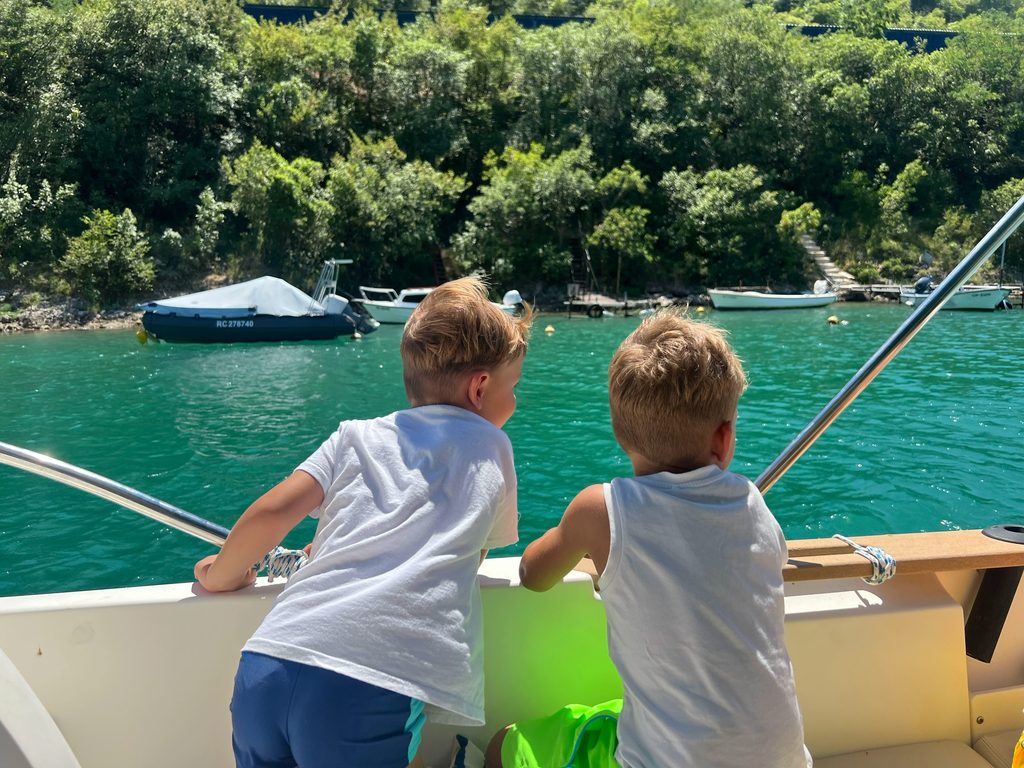
Planning a boat trip with children in Croatia does not require a suitcase full of equipment or a minute-by-minute programme. It does require the right boat, realistic expectations and an itinerary that leaves room for children to behave like children. When those pieces are in place, the day feels less like an organised excursion and more like a family adventure.
Choose the type of boat trip before choosing the destination
Parents often begin by looking at the places they want to visit. They compare beaches, islands and coastal towns before thinking about how the excursion will work for the family. With children, the format of the trip can matter more than the number of destinations on the itinerary.
A large group excursion usually follows a fixed route. Departure times, swimming stops and the return to the harbour are arranged for everyone on board. This can be convenient for families with older children who are comfortable following a schedule.
A private tour offers more freedom. The boat is reserved for your family, and the rhythm of the day can be adapted within the limits of weather, distance and safety. If the children are happily swimming, the group may be able to stay longer. If somebody becomes tired, a quieter stop or earlier return may be possible.
This flexibility is particularly useful for families with children of different ages. A teenager may want to snorkel for an hour, while a younger child may prefer a shallow beach and a snack after ten minutes in the water. A private tour makes it easier to balance both needs without asking an entire boatload of strangers to wait.
How long should a family boat trip be?
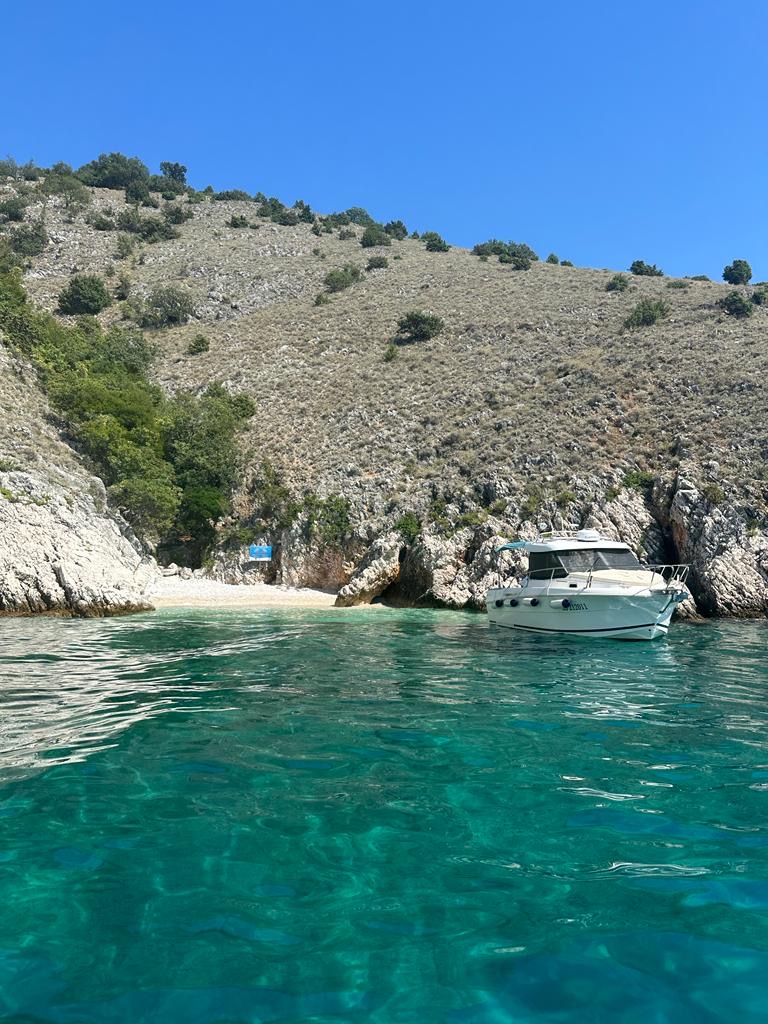
There is no perfect duration for every boat trip with children in Croatia. A child who loves water and already spends time on boats may enjoy a full day. Another child of the same age may become tired after a few hours.
For a family’s first experience at sea, a shorter trip can be a gentle introduction. An afternoon cruise or sunset excursion offers the excitement of travelling by boat without requiring children to spend the whole day away from their familiar routine.
A full-day tour works well when the day includes variety. Long periods of uninterrupted navigation can feel slow to younger passengers. Swimming, time on a beach, lunch and a visit to a coastal town divide the day into experiences that children can understand and anticipate.
Age is only one part of the decision. Consider how your children respond to heat, unfamiliar environments and changes to mealtimes or naps. Parents usually know whether their child becomes more adventurous when excited or needs predictable breaks to remain comfortable.
Tell the operator the children’s ages before booking. This gives the skipper an opportunity to assess whether the proposed route and duration are suitable.
The best time of day depends on your children
Summer mornings along the Adriatic are often appealing for families. The temperature is usually gentler than later in the day, children are rested and the sea may be calmer before the afternoon breeze develops.
An early departure can also help families avoid the strongest part of the sun. This matters particularly for babies, toddlers and children with sensitive skin. The Istria Tourist Board advises constant supervision around water and particular care during periods of strong summer heat.
Morning is not automatically right for every family. If your children are slow to wake up or the boat trip would interrupt an important sleep routine, a later and shorter excursion may be more enjoyable.
Sunset trips have their own appeal. The light softens, the air becomes cooler and the coast takes on a different atmosphere. Parents should consider whether the return time fits their children’s usual evening rhythm. A beautiful sunset loses some of its charm when a very tired toddler has reached the end of their patience.
Safety begins before you leave the harbour
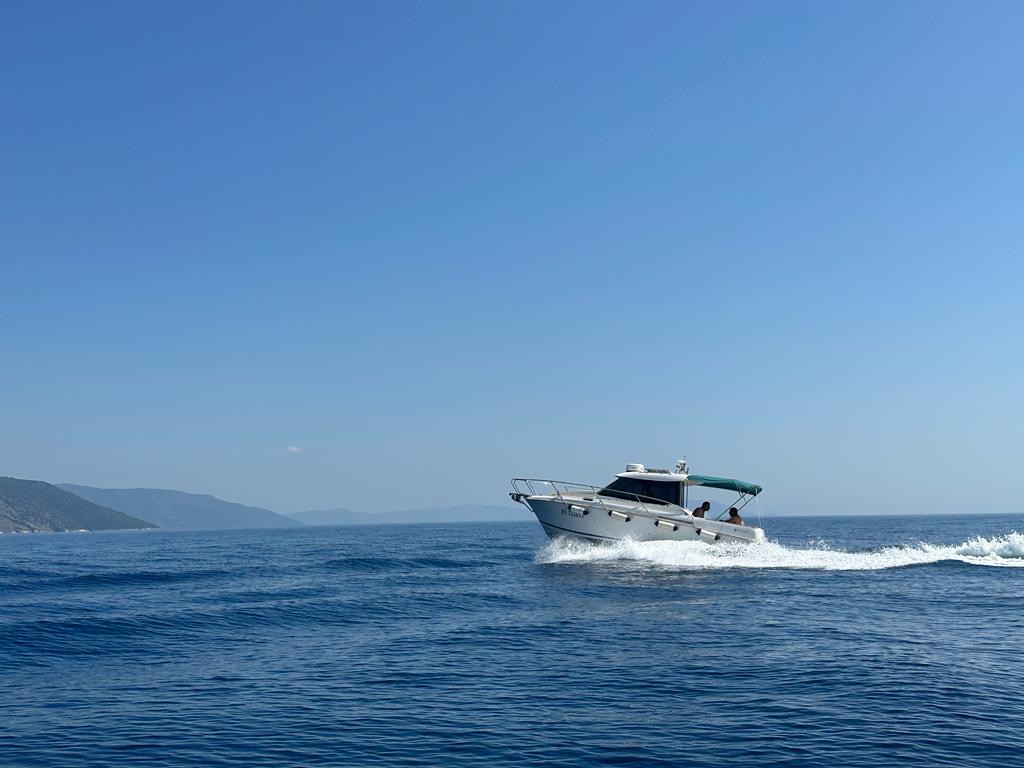
Before booking a boat trip with children in Croatia, ask whether the operator knows the ages and approximate weights of the children. Life jackets need to be suitable for the person wearing them. An adult-size jacket is not an appropriate substitute for a correctly sized child’s one.
Croatian safety requirements provide for life jackets for the adults and children on board recreational boats. Parents should still confirm the availability of suitable sizes in advance, especially when travelling with an infant or very young child.
Once on board, listen to the skipper’s safety briefing and make sure older children understand the basic rules. They should know where they can sit, when they may move around and why they need to ask before entering the water.
Young children require continuous adult supervision, including in shallow water and while wearing swimming aids. Inflatable armbands and toys can help children feel confident, but they do not replace a life jacket or an attentive adult.
It is also useful to agree on one simple family rule before departure: when the skipper gives an instruction, everyone follows it immediately. Children are more likely to cooperate if they understand this before the excitement begins.
What should children wear on the boat?
Light summer clothes, swimwear and a layer for the journey home are enough for most family tours. Children who are eager to swim can wear their bathing suits beneath their clothes, avoiding the need to change as soon as the boat reaches the first bay.
A UV-protective swimming shirt is one of the most useful items for a Croatia boat trip with kids. It protects areas such as the shoulders and back, which receive plenty of sunlight while children lean over the side or play in the water.
Add a hat that stays securely in place and sunglasses if the child is comfortable wearing them. Loose sun hats tend to become difficult once the boat starts moving.
Footwear should fit properly and have a stable sole. Many Croatian beaches are covered in pebbles rather than sand, so water shoes can make entering and leaving the sea much more comfortable. They also protect small feet from sharp stones and hot surfaces.
Even in summer, bring a dry T-shirt, underwear and a light sweatshirt or jacket. After swimming, the breeze created by the moving boat can feel cool. Younger children often notice this sooner than adults.
For a complete overview, our guide to what to bring on a boat trip covers clothing, sun protection, electronics and swimming equipment for a day on the Adriatic.
Sun protection needs more attention at sea
Children can remain happily occupied on a boat without noticing how long they have been in the sun. The breeze reduces the sensation of heat, while light is reflected from the surface of the water.
Apply suitable water-resistant sunscreen before departure and renew it according to the product instructions, particularly after swimming. Remember the ears, neck, shoulders and tops of the feet. These areas are easy to miss and receive considerable exposure on a boat.
Shade is important, especially during the middle of the day. Ask the operator what sheltered space is available and consider how much time the children are likely to spend outside it.
Encourage them to drink regularly rather than waiting until they say they are thirsty. A reusable bottle for each child can help parents keep track of how much they have consumed.
Food can determine the mood of the whole day
Children have a remarkable ability to become hungry at the exact moment food is least accessible. Even if lunch or refreshments are included in the tour, bring a few familiar snacks that travel well and do not melt or create too much mess.
Crackers, pieces of fruit and simple sandwiches are easier to manage than food with sauces or fragile packaging. Avoid bringing more than the family will realistically eat, as storage space on a boat is limited.
Ask what the tour includes and when the meal is expected. If your child has allergies, intolerances or specific dietary requirements, inform the operator before the day of departure. Do not assume that every included meal can be adapted at the last moment.
For younger children, familiar food can also provide reassurance. They may be happy to try a local lunch after swimming, but it helps to have an alternative if the excitement of the day temporarily makes them less adventurous.
What if a child becomes seasick?
Many children travel comfortably by boat, particularly in calm coastal water. Others may begin to feel unwell even on a relatively short journey.
If your child is prone to motion sickness, ask a doctor or pharmacist about suitable options before the trip. Medication for adults may not be appropriate for children, and the correct choice can depend on age, weight and health.
A light meal before departure is usually more comfortable than beginning the trip with either a very full or completely empty stomach. During the journey, encourage the child to look towards the horizon rather than focusing on a book or screen. Fresh air and a position where the boat’s movement feels less pronounced can also help.
Tell the skipper as soon as a child begins to feel unwell. Waiting in the hope that it will pass can make the rest of the trip harder. The skipper may be able to change speed, adjust the route or stop in a protected bay.
Plan fewer activities and leave more time
Adults often judge a boat trip by how many destinations it includes. Children experience it differently. For them, twenty minutes spent examining tiny fish in shallow water may be more memorable than seeing four famous locations from the deck.
A relaxed boat trip with children in Croatia does not need an ambitious itinerary. One good swimming bay, an enjoyable lunch and enough time to explore can fill the day.
Frequent rushing creates unnecessary tension. Every departure from a beach means drying children, collecting masks and shoes, finding missing hats and getting everyone safely back on board. Repeating the process too many times becomes tiring for both parents and children.
A flexible itinerary allows the family to stay where the day is working. If a particular bay has calm water and the children are content, that may be the right place to spend an extra hour.
Swimming and snorkeling with children
The clear Adriatic water makes children curious about what lies beneath the surface. Beginners can start by wearing a mask in shallow water and looking down without using a snorkel. Once they feel comfortable, they can practise breathing through the snorkel close to an adult.
Never pressure a hesitant child to enter deeper water. Watching fish from the boat or playing at the edge of a beach is still part of the experience. Confidence develops more easily when children control the pace.
Older children may enjoy looking for small fish, crabs, sea urchins and unusual rocks. Encourage them to observe without touching or collecting marine animals. Sea stars, shells and other creatures should remain where they are found.
Our guide to snorkeling in Istria explains what families may see beneath the Adriatic and how to explore without disturbing the marine environment.
Bring entertainment, but keep it simple
A boat already provides plenty to occupy a child: the wake behind the vessel, other boats, distant islands and the changing colour of the water. There may still be quieter moments during longer sections of navigation.
One small toy, a picture book or a simple travel game is usually enough. Avoid bringing many loose pieces that can roll beneath seats or blow into the sea. A favourite soft toy may comfort a younger child, provided it can be kept dry.
A phone or tablet can be useful when a child needs a break, but it is better kept as a backup than treated as the main entertainment. Screens can also make motion sickness worse when used during navigation.
Invite children to participate in the day instead. They can watch for a lighthouse, count boats, look for fish or help choose between two possible swimming stops. Small responsibilities make them feel included.
A private tour gives families room to change the plan
Family days rarely unfold exactly as expected. A child who seemed tired in the morning may spend hours in the water. Another may suddenly need a long, quiet break.
This is where a private tour becomes especially valuable. Your family is not required to follow a timetable designed for a large group of strangers. The skipper can discuss what is realistic and adjust the pace when the conditions allow.
Private does not mean that every request can be followed. Weather, wind and sea conditions still determine the safe route. It means that the decisions can take your family into account.
Our boat accommodates a maximum of six guests, making it suitable for parents and children who want to spend the day together without sharing the available space with an unfamiliar group.
Frequently asked questions
What age is suitable for a boat trip in Croatia?
There is no single minimum age that makes every excursion suitable. The decision depends on the boat, duration, weather, available safety equipment and the child’s needs. Parents travelling with babies or toddlers should discuss the trip directly with the operator before booking.
Is a full-day boat trip too long for children?
It can work well for children who enjoy the water, provided the itinerary includes swimming, food and sufficient breaks. For a first boat experience or a child who tires easily, a shorter tour may be more appropriate.
Should children wear life jackets throughout the trip?
Follow the skipper’s instructions. The operator should provide appropriate safety equipment, and parents should confirm in advance that correctly sized life jackets are available for their children.
Can we bring a stroller on board?
Space varies considerably between boats. Ask the operator before arriving with a stroller. A compact folding model may be easier to store, but it may still be unnecessary if the tour involves boarding directly from the harbour and returning to the same point.
What happens if the weather changes?
The skipper evaluates the wind, waves and forecast and decides whether the route remains safe. The itinerary may be adjusted, shortened or postponed when conditions are unsuitable.
What emergency number should families know in Croatia?
The general emergency number in Croatia is 112, which can connect callers to the necessary emergency services. Maritime Search and Rescue can also be reached at 195.
Enjoy the day your children will remember
The best family boat trips are rarely the ones with the longest list of destinations. Children remember steering away from the harbour, seeing the seabed through clear water, eating lunch with wet hair and finding a tiny fish beneath the surface.
A successful boat trip with children in Croatia gives the family enough structure to feel safe and enough freedom to enjoy what happens naturally. Choose a realistic duration, prepare for sun and swimming, bring familiar food and allow the day to move at the children’s pace.
Explore our private boat tours in Croatia and tell us the ages of your children, what they enjoy and how long you would like to spend at sea. We will help you choose a family-friendly experience along the eastern coast of Istria, with time to swim, relax and enjoy the Adriatic together.