
Knowing how to anchor a boat is one of the most valuable skills any skipper can develop. Whether you’re planning to stop for a swim, enjoy lunch in a quiet bay, spend the night at anchor, or simply wait for better weather, anchoring correctly keeps both your boat and everyone on board safe.
Although dropping an anchor may look simple, many problems at sea begin with poor anchoring technique. Boats drag unexpectedly, collide with neighboring vessels, or end up dangerously close to rocks because the anchor was never properly set.
The good news is that learning how to anchor a boat isn’t difficult. Once you understand the principles behind it, the process becomes almost second nature.
Why Proper Anchoring Matters
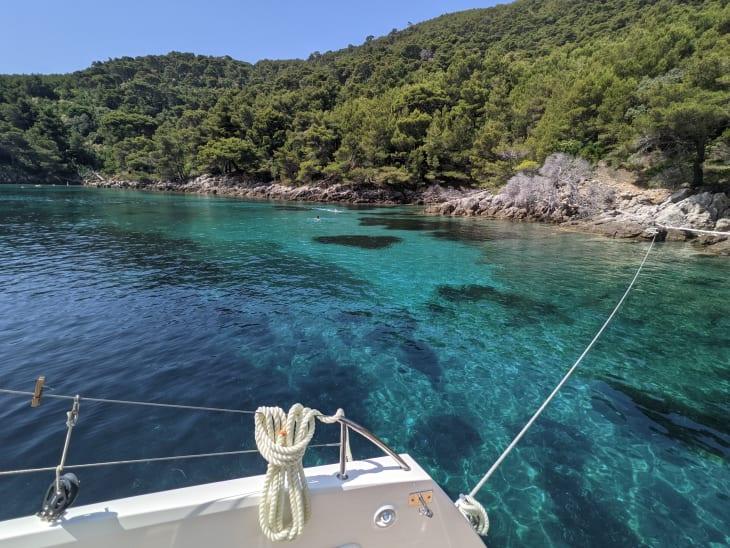
An anchor does far more than stop a boat from drifting. It must hold the vessel securely against wind, waves, and current, sometimes for hours.
A poorly anchored boat can slowly move hundreds of meters without anyone immediately noticing. In crowded bays, this can quickly become dangerous.
Correct anchoring provides:
- Safety for everyone on board
- Protection for nearby boats
- Reduced stress while swimming or relaxing
- Better protection if weather conditions change
Good seamanship begins long before the anchor touches the seabed.
Choose the Right Place Before Dropping the Anchor
One of the biggest mistakes beginners make is focusing only on the anchor itself. In reality, the location is just as important.
Before anchoring, consider:
- Water depth
- Wind direction
- Forecast weather
- Current strength
- Swinging room
- Other anchored boats
- Underwater hazards
Ideally, choose an area protected from the prevailing wind where the seabed offers good holding.
Understanding the Best Seabed
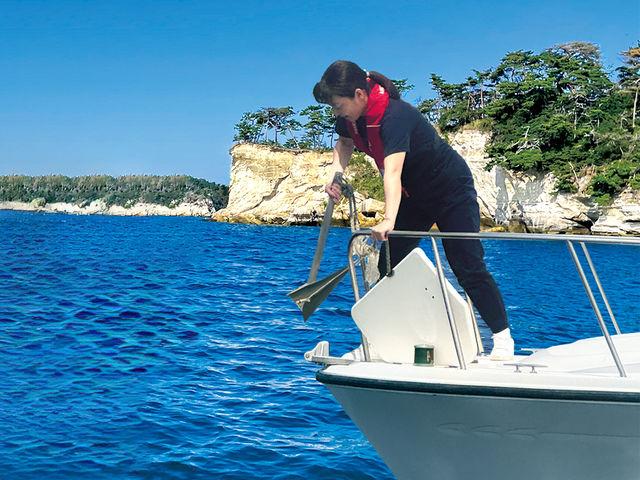
Not every seabed provides the same holding power and holding power is the key thing when chosing where and how to anchor a boat.
Sand: Sand is generally considered the best surface for anchoring. Most modern anchors dig in quickly and hold exceptionally well.
Mud: Mud also provides excellent holding, although thick mud may require more effort for the anchor to penetrate.
Gravel: Gravel can offer acceptable holding depending on the anchor design.
Rock: Rock is usually the most difficult surface. The anchor may hook temporarily but often fails to dig in securely.
Seagrass: Large seagrass meadows often prevent the anchor from reaching the seabed. Besides providing poor holding, anchoring on protected seagrass such as Posidonia should be avoided because it damages a fragile marine ecosystem.
How to Anchor a Boat Step by Step
1. Approach Slowly
Reduce speed well before reaching the desired location.
Position the bow into the wind or current, depending on which has the stronger effect.
2. Stop the Boat
Allow the boat to lose almost all forward motion before lowering the anchor.
Never throw the anchor while still moving quickly.
3. Lower—Don’t Throw—the Anchor
Lower the anchor vertically until it reaches the bottom.
Throwing it can twist the chain or prevent the anchor from landing correctly.
4. Reverse Slowly
Once the anchor reaches the seabed, gently reverse the boat while gradually releasing additional chain or rope.
This allows the anchor to dig into the bottom.
5. Set the Anchor
Continue applying light reverse power until the chain becomes tight.
If the boat stops moving while the engine is still gently pushing astern, the anchor has likely set correctly.
How Much Anchor Chain Should You Use?
One of the most common questions about how to anchor a boat concerns the correct amount of chain.
This is known as the scope, which is the ratio between the total length of chain deployed and the water depth.
Typical recommendations are:
- Calm weather: 3–4 times the water depth
- Moderate conditions: 5 times the depth
- Strong wind: 6–7 times the depth or more
Remember to include the height of your bow above the water when calculating the total depth.
More chain allows the pull on the anchor to remain horizontal, dramatically increasing holding power.
Common Anchoring Mistakes
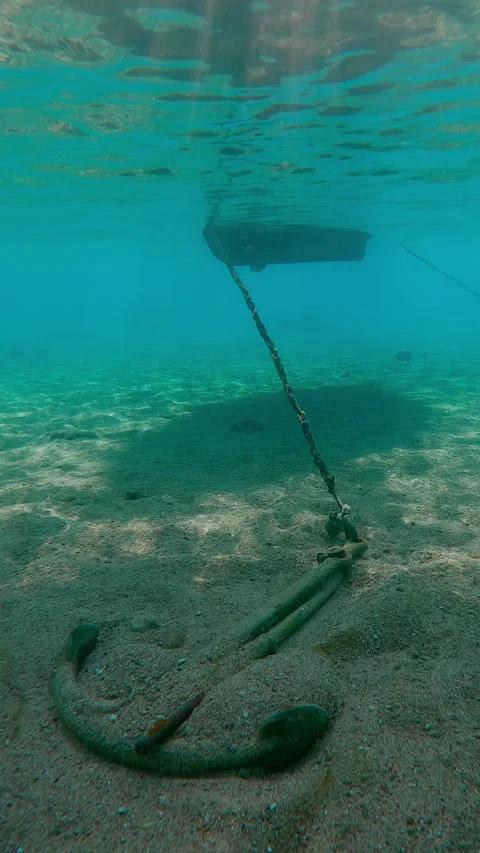
Even experienced boaters occasionally make mistakes.
The most common include:
Dropping Too Little Chain
Insufficient scope is probably the leading cause of dragging anchors.
Anchoring Too Close to Other Boats
Every boat swings differently depending on chain length, hull shape, and wind.
Always leave generous space.
Ignoring the Weather Forecast
A calm bay can become exposed within hours if the wind changes direction.
Always consider expected conditions before deciding where to anchor.
Not Checking Whether the Anchor Is Holding
Many skippers assume everything is fine without verifying that the boat has actually stopped moving.
Use landmarks, GPS, or chart plotters to confirm your position remains stable.
Which Type of Anchor Is Best?
Several anchor designs are commonly used today.
Plow Anchors
Reliable and versatile, performing well on many seabeds.
Delta Anchors
Popular among cruising boats thanks to their fast setting and dependable holding.
Bruce (Claw) Anchors
Excellent for many recreational boats and forgiving on different bottom types.
Rocna and Modern Roll-Bar Anchors
Highly regarded for their exceptional holding power and quick setting, even in changing conditions.
The best anchor ultimately depends on your boat size, cruising style, and the seabeds you encounter most frequently.
Anchoring Etiquette
Good anchoring isn’t only about technique—it also involves respect for others.
Avoid anchoring:
- Too close to neighboring boats
- In marked swimming areas
- Inside navigation channels
- On environmentally protected seabeds
A little courtesy makes every anchorage safer and more enjoyable.
Practice Makes Perfect
Like docking or steering, anchoring becomes easier with experience.
Practice in calm weather before relying on your skills in more demanding conditions. You’ll soon learn how your particular boat behaves, how different seabeds feel through the chain, and how changing wind conditions affect your position.
Experience Anchoring Along Croatia’s Coast
One of the best places to appreciate proper anchoring is the Croatian Adriatic, where countless sheltered bays offer crystal-clear water and spectacular scenery.
During our private boat tours from Rabac, guests often ask how we choose the perfect anchoring spot before swimming or relaxing in secluded coves around eastern Istria and the island of Cres. Seeing the process in real conditions is often the easiest way to understand the techniques described above—and it gives you the chance to enjoy some of the Adriatic’s most beautiful anchorages at the same time.
Final Thoughts
Learning how to anchor a boat is a fundamental boating skill that combines preparation, patience, and practice. By choosing the right location, understanding seabed conditions, deploying enough chain, and confirming that your anchor has properly set, you’ll enjoy safer and more relaxing days on the water.
Every successful anchoring begins before the anchor leaves the bow—and every experienced skipper knows that taking an extra minute to do it properly is always worth it.