
From the deck of a boat, the sea along the Istrian coast often looks almost empty. The surface reflects the sky, the coastline and the sunlight, hiding everything below. Put on a mask and lower your face into the water, however, and the landscape changes immediately.

Rocky ledges descend towards pale patches of sand. Small fish move in and out of the shadows, sea urchins occupy narrow crevices, and seagrass bends with the movement of the water. If you slow down and look carefully, you may notice a crab beneath a stone or an octopus blending so well into the seabed that it seems to appear only after you have been watching for several seconds.
This is what makes snorkeling in Istria so rewarding. The Adriatic does not resemble a tropical coral reef filled with oversized, brightly coloured fish. Its beauty is quieter and more detailed. You begin to see more as soon as you stop rushing.
Why Istria is a good snorkeling destination
Much of the Croatian coast is rocky rather than sandy. For those that intend snorkelling in Istria, this creates an interesting underwater environment. Cracks, overhangs, boulders and small caves provide shelter for marine animals, while the pale rock and clear water make the seabed easier to observe from the surface.
The character of the coast changes from one location to another. A sheltered pebble beach may have a shallow, accessible seabed suitable for beginners and children. Around a rocky point, the bottom can become deeper and more dramatic. Quiet coves may contain sand, loose stones and patches of seagrass within a relatively small area, giving snorkelers several habitats to explore.
Water clarity is another reason people enjoy snorkeling in Istria. Visibility changes with the weather, waves and location, but calm conditions can provide a remarkably clear view of the seabed. You can read more about the geology and natural conditions behind this transparency in our guide explaining why the Adriatic Sea is so clear.
The coast also offers many locations that are easier to reach from the sea. Away from busy town beaches and heavily used swimming areas, the underwater environment often feels calmer and less disturbed.
What fish can you see while snorkeling in Istria?
The first fish you notice will probably be the ones swimming openly above the rocks. Small sea bream, salema, mullet and damselfish are commonly seen in shallow coastal water. Wrasses bring flashes of green, blue or orange close to the seabed, while gobies remain much closer to the rocks and can disappear into a crevice as soon as they sense movement.
The exact species and number of fish vary according to depth, water temperature, time of day and the character of the seabed. A quiet rocky area may look inactive when you first enter the water. After a few minutes, fish begin to emerge from the places where they were hiding.
Look towards the boundary between rock and sand. Fish often move along these edges because they provide both feeding opportunities and quick access to shelter. Larger individuals may stay farther from swimmers, while young fish gather in shallow areas where the water is warm and protected.
When snorkeling in Istria, patience usually produces better observations than swimming quickly over a large area. Float quietly above one section of seabed and allow the marine life to return to its normal behaviour. You may see considerably more within a few metres than you would during a hurried swim across the entire bay.
Octopuses, crabs and other creatures hidden among the rocks
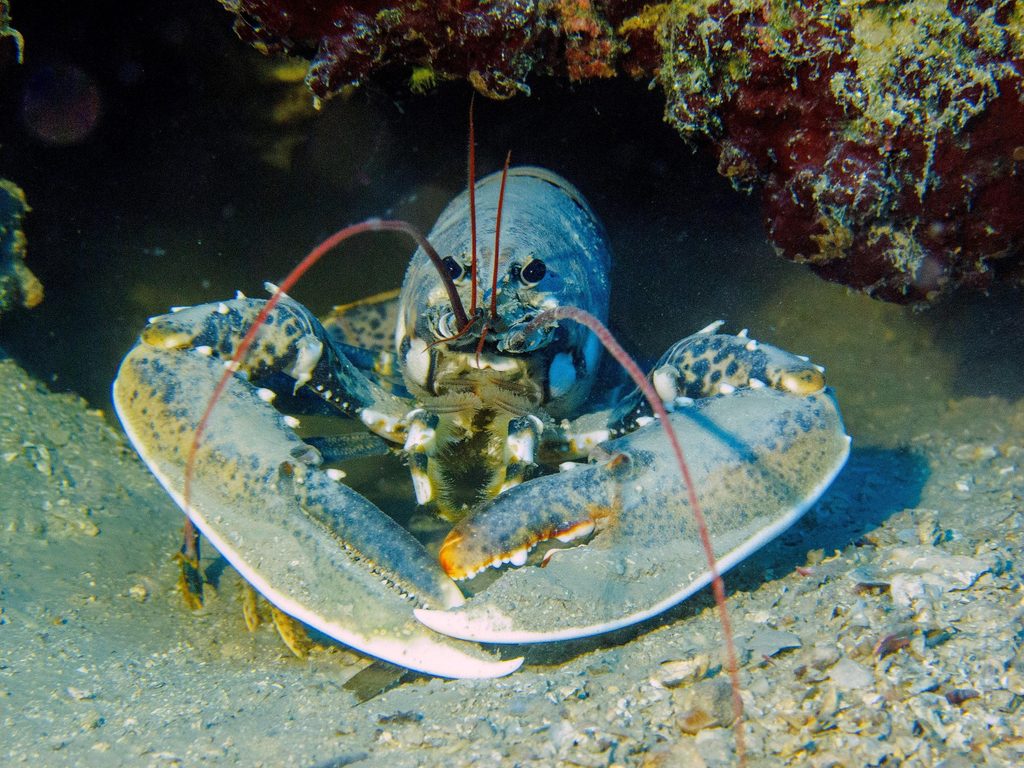
Fish are only part of the Adriatic’s underwater life. Rocky areas shelter crabs, shrimp, sea snails and other small animals that are easily missed when you concentrate only on open water.
Octopuses also live along the Croatian coast, although spotting one requires both patience and luck. Their ability to change colour and texture allows them to blend into rock, gravel and shadow. Sometimes the first clue is not the animal itself but the entrance to its shelter, particularly if shells or small stones have accumulated around it.
Never reach into holes or place your hands beneath rocks to search for marine life. Besides disturbing the animal inside, you may encounter sharp shells, spines or creatures that defend themselves when touched. Observing from a short distance gives you a better view of natural behaviour and leaves the habitat as you found it.
Sea cucumbers may lie across sandy or mixed seabeds, while sea urchins gather between stones and inside rocky depressions. Sea stars can occasionally be seen in shallower water, although they are not present at every location. Each snorkeling stop is different, which is part of the appeal.
The importance of seagrass meadows
Dark areas beneath the water are sometimes mistaken for bare rock or an uninteresting bottom. They may actually be seagrass meadows, which provide shelter and feeding grounds for numerous marine species.
Posidonia oceanica is a marine flowering plant native to the Mediterranean. It forms underwater meadows that support biodiversity, protect the coast and contribute to the health of the marine environment. These habitats are vulnerable to physical damage, especially from anchors and other activities that tear plants from the seabed. Scientists and conservation organisations continue to call for stronger protection of Posidonia in Croatian waters. Blue World Institute provides further information about marine conservation in the Adriatic.
From a snorkeler’s perspective, a seagrass meadow becomes much more interesting when you swim slowly along its edge. Small fish move between the leaves, while other animals use the boundary between vegetation, sand and rock as a feeding area.
Avoid standing on seagrass or pulling at the leaves. What appears to be a simple patch of underwater vegetation is a living habitat that develops very slowly and deserves the same care as a natural area on land.
Is there coral in the Adriatic Sea?
Travellers sometimes arrive expecting the shallow coral gardens associated with tropical destinations. The northern Adriatic offers a different underwater landscape. You will find rock covered by algae, sponges and other organisms rather than a continuous tropical reef.
This does not make the environment colourless. Bright sponges can appear beneath ledges, while algae, anemones and encrusting organisms add red, orange, green and yellow to the rocks. Much of this colour is found in shaded places, so look beneath overhangs and along vertical surfaces without touching them.
The experience becomes more satisfying once you adjust your expectations. Snorkeling in the Adriatic Sea is less about searching for one spectacular animal and more about noticing how many forms of life occupy an apparently simple rocky coast.
Where to go snorkeling in eastern Istria
The coast around Rabac, Plomin Luka and the channel towards Cres includes pebble beaches, rocky coves and more isolated swimming areas. Each one offers a different snorkeling experience.
A beach accessible by road may be convenient, particularly for families, but it can become busy during the summer. Regular swimming activity also stirs the shallow seabed. Locations reached by boat can offer clearer water, fewer people and more freedom to choose a spot according to the wind and sea conditions.
Dragožetići Beach on Cres is one example of a location appreciated for its natural surroundings and clear water. Other small coves along the eastern coast can be equally rewarding even when they do not have a famous name. The quality of a snorkeling stop often depends on the conditions that day rather than its popularity online.
A sheltered bay may provide the clearest and most comfortable water when the wind is blowing from one direction, while another location could be preferable the following day. This is where local knowledge makes a meaningful difference.
Snorkeling from the beach or from a boat
Snorkeling from a beach is simple. You can enter the water whenever you wish and remain close to the shore. It is often the best option for beginners who want to become comfortable with their mask and snorkel in shallow water.
A boat expands the range of places you can explore. It can reach sections of coastline without convenient road or foot access and allows the skipper to select a bay according to wind, waves and visibility. You can also combine several activities during the same day, moving between snorkeling, swimming, visiting a coastal village and having lunch.
On a private tour, the snorkeling time can be adjusted to the interests of the group. If everyone is enjoying a particular bay, there is no need to leave simply because a large excursion schedule demands it. Beginners can take their time, while experienced swimmers can explore a larger area when conditions are suitable.
Our private boat tours in Istria include opportunities to swim and snorkel in clear Adriatic water, with stops selected according to the route, weather and preferences of the group.
What is the best time for snorkeling in Istria?
Summer provides the warmest water and the longest days. July and August are the most popular months, although beaches and well-known swimming locations are also busier. Entering the water earlier in the morning can mean calmer conditions and fewer people.
June offers pleasantly warm weather with lower visitor numbers, while September can be excellent because the sea retains much of the heat accumulated during summer. Conditions vary from year to year, and a calm September morning may provide better visibility than a windy day in the middle of August.
Sunlight also changes what you can see. When the sun is higher, light penetrates the water more directly and illuminates the seabed. Very early or late snorkeling can produce a more atmospheric view, although shaded sections may become harder to examine.
Wind and waves have a greater immediate effect than the calendar. Choppy water can disturb sediment and make breathing through a snorkel less comfortable. Always assess the actual conditions before entering.
What equipment do you need?
A well-fitting mask matters more than expensive equipment. It should form a comfortable seal without requiring the strap to be tightened excessively. If water continually enters, adjust the position of the mask and move any hair away from the seal.
The snorkel should feel comfortable in your mouth and remain easy to clear. Fins help you move efficiently, but beginners may prefer shorter models that are easier to control in shallow water.
Water shoes are useful when entering from a pebble beach or walking over uneven rock. They should not replace careful movement, particularly where algae make stones slippery.
A rash vest or UV-protective shirt reduces sun exposure across the back and shoulders. Because the water keeps the body cool, it is easy to underestimate how much time has been spent in the sun. Reef-safe sunscreen should be applied in advance and renewed according to its instructions.
How to snorkel safely
Good snorkeling begins with honest decisions about swimming ability and sea conditions. Remain within a distance that allows you to return comfortably, and avoid entering unfamiliar water alone. Children should be supervised continuously, even in shallow areas.
Stay aware of boats. A quiet bay can still receive vessel traffic, and a snorkeler is difficult to see from a distance. Use designated swimming areas where available and follow the skipper’s instructions when entering from a boat.
Avoid swimming into caves or beneath rocky overhangs unless the site is specifically suitable and supervised. The water can move differently near confined spaces, and surfaces above the head create risks that are absent in open water.
If you begin to feel cold, tired or uncomfortable, return to the boat or shore. A pleasant snorkeling session does not need to be long.
How to explore without disturbing marine life
The easiest rule is to observe without handling. Do not pick up sea stars, chase an octopus or remove shells that may still shelter living animals. Avoid feeding fish, as this changes their natural behaviour and can attract an unnatural concentration of animals.
Keep your fins away from the seabed. A careless kick can break delicate organisms, disturb sediment and reduce visibility for everyone. Maintain a horizontal position and allow enough space between yourself and the rocks.
Take photographs if you wish, but leave every animal and object where you found it. The best underwater encounters happen when marine life continues behaving as though you are barely there.
Frequently asked questions about snorkeling in Istria
Is Istria good for snorkeling?
Yes. Istria has clear coastal water, rocky seabeds, pebble beaches and sheltered coves where snorkelers can observe fish and other small marine animals. The experience is particularly enjoyable in calm weather and away from busy swimming areas.
What can you see while snorkeling in Istria?
Depending on the location and conditions, you may see sea bream, wrasses, salema, mullet, gobies, damselfish, crabs, sea urchins, sea cucumbers, sea stars and occasionally an octopus. Sightings can never be guaranteed because these are wild animals in their natural habitat.
Is snorkeling in Istria suitable for beginners?
Many sheltered bays and pebble beaches have shallow areas suitable for beginners. Choose calm water, use equipment that fits properly and remain close to the boat or shore until you feel confident.
Can children go snorkeling in Istria?
Children who are comfortable in the water can enjoy snorkeling under close adult supervision. A properly fitted mask, suitable flotation support when needed and a calm, shallow location make the experience easier.
Do you need to bring snorkeling equipment?
This depends on the tour. Before packing masks and fins, ask the operator what is provided. Guests joining our private tours can confirm the available equipment when arranging their trip.
Discover Istria from above and below the water
The appeal of snorkeling in Istria lies in the moment when a familiar-looking bay reveals its second landscape. Beneath the surface, pale rocks give way to crevices, sand and underwater vegetation. Fish appear between the shadows, while smaller creatures occupy spaces that are invisible from the boat.
You do not need to dive deeply or cover a long distance. A mask, calm water and enough patience to look carefully are often all that is required.
Join one of our private boat tours in Croatia and discover quiet swimming and snorkeling locations along the eastern coast of Istria and towards Cres. We will choose the stops according to the sea conditions and your group, leaving you enough time to enjoy the Adriatic both from the boat and beneath its surface.